


Prescription drug costs can have a major impact on your healthcare budget. Unfortunately, many Medicare beneficiaries discover too late that a medication is no longer covered the same way it was the previous year.
Before Annual Enrollment Period begins, it’s important to review your prescription coverage carefully.
Why Drug Coverage Changes Every Year
Part D plans regularly update:
- Formularies
- Drug tiers
- Pharmacy networks
- Prior authorization requirements
Even if your plan remains available next year, your prescription costs could change.
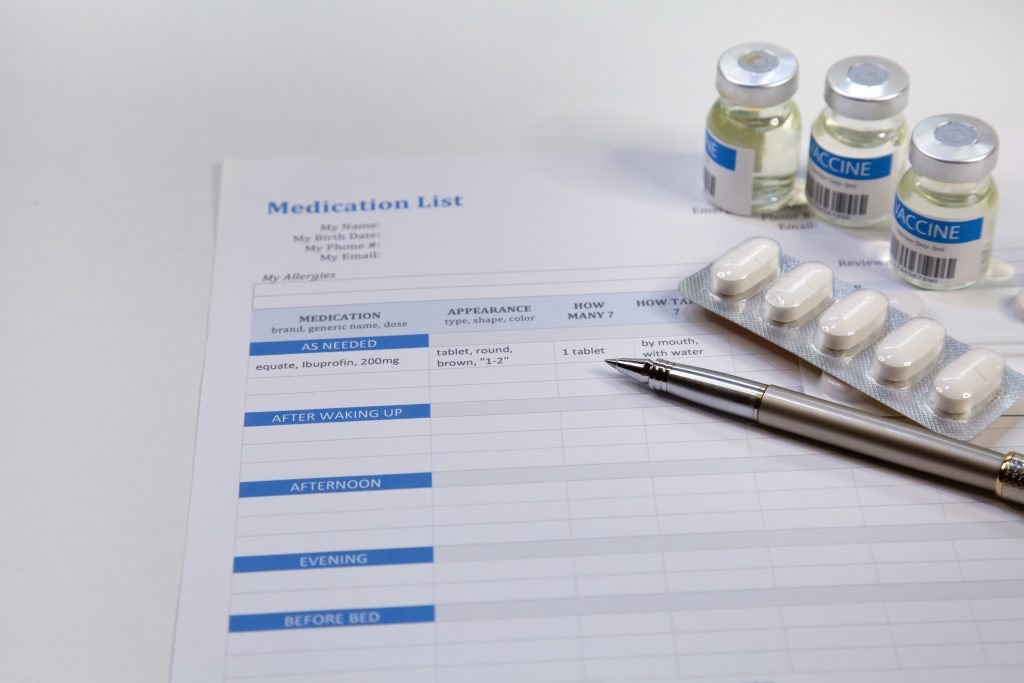
Step 1: Make a Complete Medication List
Include:
- Prescription drugs
- Dosages
- Frequency
- Specialty medications
Accuracy matters when comparing plans.
Step 2: Review Your Current Plan’s Annual Notice of Change
The ANOC highlights changes for the upcoming year, including:
- Premium adjustments
- Drug coverage changes
- Pharmacy network updates
Step 3: Check Drug Tiers
Medications are often grouped into tiers.
Generally:
- Lower tiers = lower costs
- Higher tiers = higher costs
A tier change can significantly affect your monthly expenses.
Step 4: Verify Preferred Pharmacies
Using a preferred pharmacy may reduce costs.
Review:
- Retail options
- Mail-order options
- Network participation
Step 5: Review Prior Authorization Requirements
Some medications require additional approval before coverage begins.
Changes in authorization requirements can create delays if not identified early.
Red Flags to Watch For
- Medication removed from formulary
- Drug moved to a higher tier
- Pharmacy removed from network
- Increased deductible
- New utilization restrictions
Taking time to review prescription coverage before AEP can help prevent unexpected costs and coverage disruptions.
Questions about Medicare Part D plans? Carolina Senior Benefits can help you compare your options and understand your coverage.